The Wicklow 200 is Ireland's most honest sportive. Two hundred kilometres, three thousand metres of climbing, and mountains that do not care how your form looked in April. If you want to ride it well rather than just survive it, you need a structured build — not more junk miles.
Here is how to train for the Wicklow 200 in the 12 weeks before the event.
Key Takeaways
- Run a 12-week build: three weeks base, three weeks build, three weeks peak, three weeks taper and pre-event
- Peak weekly volume at 10-14 hours with one long ride over 100km
- Climb at least 1,500m a week by week six, 2,500m a week by week ten
- Two quality sessions weekly: one at threshold, one sustained climbing
- Practise 80-100g carbs per hour on every long ride, not just race day
- Taper for 10-14 days, dropping volume 30-40% while keeping short intensity
What the Wicklow 200 Actually Demands
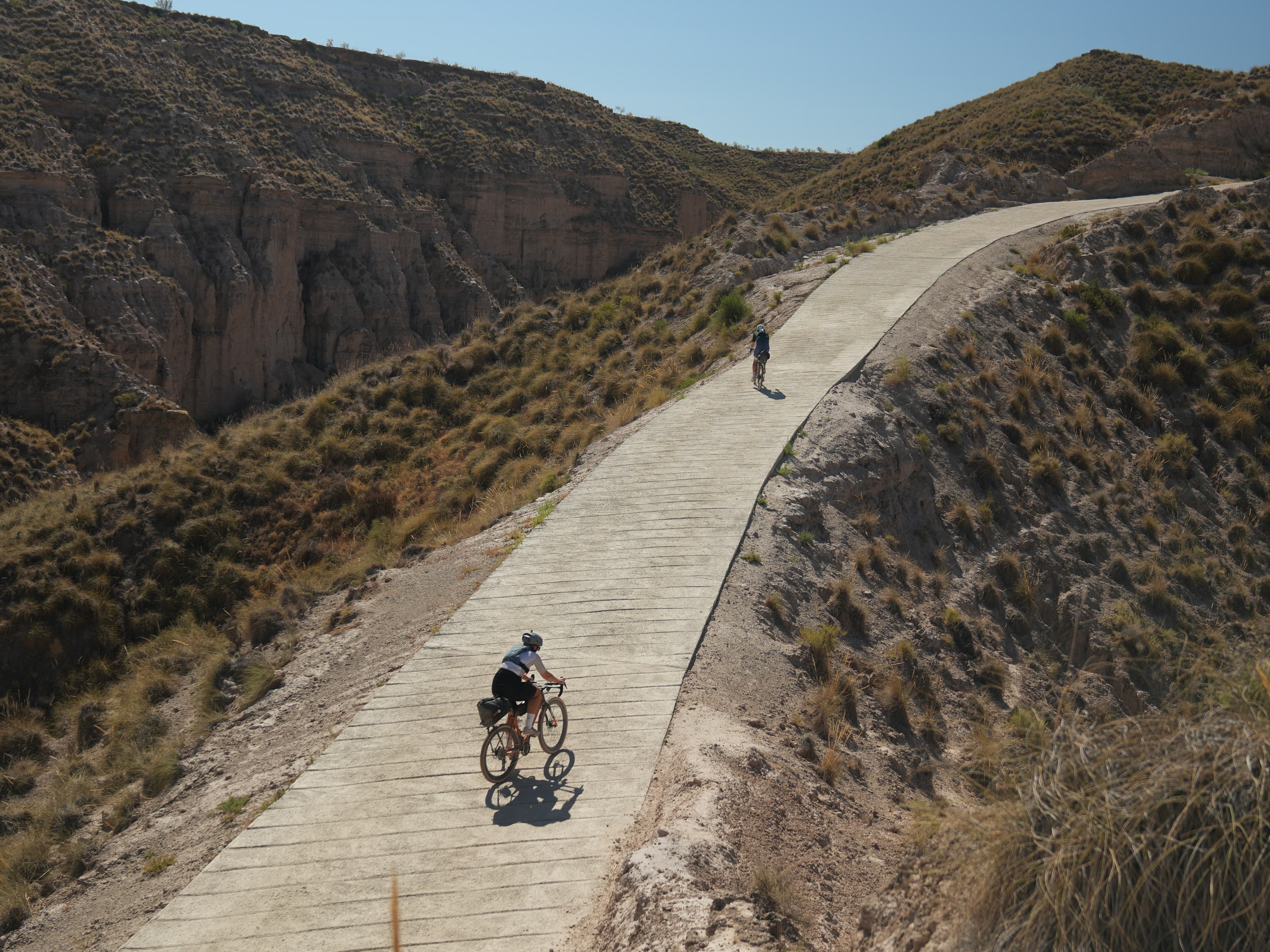
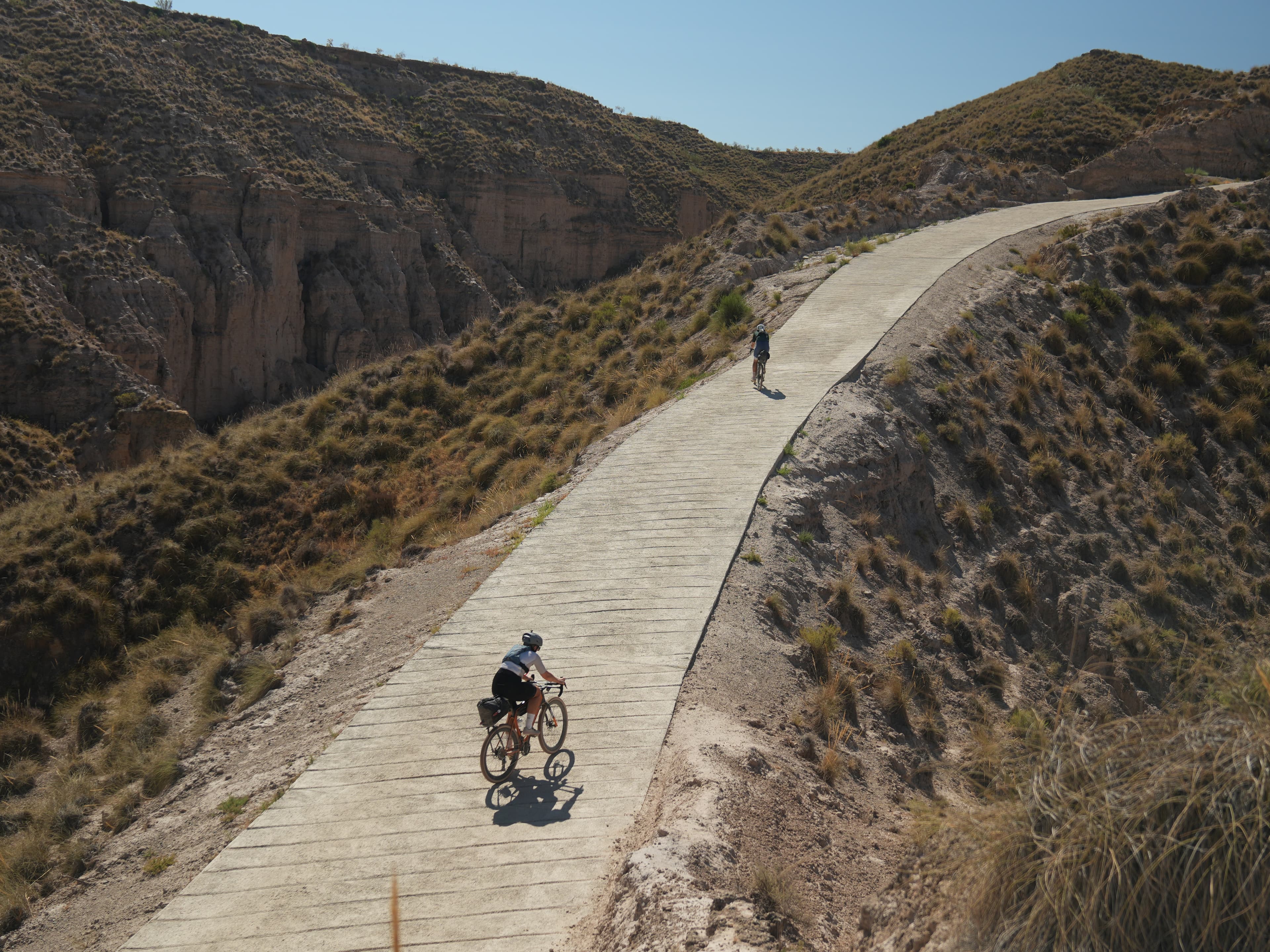
The route covers around 200km through the Wicklow Mountains with roughly 3,000m of climbing, usually held in mid-June. The defining feature is not any single climb but the accumulation. Sally Gap, Wicklow Gap and the Glen of Imaal are not Alpine cols — they are medium-length drags of 6-12km at 4-7% — but they come at you again and again across an already long day.
Weather is often wet and exposed on the open moorland sections, even in June. Typical finish times run from six hours at the front to nine or ten hours for steady riders. The shorter Wicklow 100 exists if the full distance is too much this year; the training framework below scales cleanly to either.
This is an endurance event with climbing on top, not a climbing event with endurance on top. Aerobic capacity and durability beat raw threshold power every time.
Your 12-Week Build: Block by Block
Weeks 1-3: Base
Volume: 8-10 hours a week.
The goal is aerobic depth. Four to five rides a week, with 80% of the time in Zone 2. Iñigo San Millán's work on mitochondrial adaptation is the reason: low-intensity volume is what grows the engine you need for a long day in the hills. See the base training guide for the detail.
Key session: one long ride each week building from 2.5 hours to 4 hours, with 400-800m of climbing.
Weeks 4-6: Build
Volume: 10-12 hours a week.
Now add specificity. Keep one low-intensity long ride, one recovery ride, and add two quality sessions.
Key session: 4x10 minutes at 95-100% FTP (threshold), 5 minutes easy between. This is the Allen and Coggan threshold work that gives you the sustainable power you will need on the second half of Sally Gap when the group splits.
Weeks 7-9: Peak
Volume: 12-14 hours a week.
This is where the event gets built into the legs. Long ride grows to 5-6 hours with 1,500-2,000m of climbing — ideally on Wicklow terrain if you are local, or the nearest equivalent wherever you are.
Key session: sustained climbing. 3x20 minutes at 88-95% FTP on a real climb, or back-to-back climbs totalling 20 minutes. This mirrors the demand of the Gap climbs directly.
Weeks 10-12: Taper and Event
Volume: drops week-on-week — 10 hours, 7 hours, event week.
Hold intensity but cut duration. Keep the legs sharp with short threshold and VO2 work — 3x5 minutes, 2x8 minutes — but cap long rides at 3 hours. Stephen Seiler's polarised principle still applies in taper: enough hard stuff to stay sharp, nothing deep enough to require real recovery.
Climbing-Specific Sessions
The Wicklow climbs reward sit-and-spin, not heroics. You want to be able to hold 85-95% FTP for 15-30 minutes at a cadence of 75-85rpm. Two sessions build this specifically:
Sustained climbs at sweet spot. 2-3x15 minutes at 88-94% FTP. Not a sprint up and a slow descent — a proper sustained effort where pacing becomes the skill. Combine with our climbing guide for cadence and posture cues.
Over-unders on climbs. Repeats of 2 minutes at 105% FTP / 3 minutes at 90% FTP, for 3-4 blocks. This trains the ability to absorb an attack or surge on a climb and recover while still climbing — exactly what happens when the group accordions on Sally Gap.
If you are flat where you live, ramp resistance on the turbo or use headwinds on exposed roads. Gradient matters less than duration and intensity.
Nutrition and Fuelling
For rides over three hours, 80-100g of carbohydrate per hour is the target — higher end if you have trained the gut for it. Use a mix of gels, bars and carbohydrate drink. The feed stations on the Wicklow 200 are well stocked but spaced, so carry enough to bridge 90 minutes between stops.
Day before: eat normally but skew toward carbohydrate — rice, pasta, potatoes, fruit. Drink to pale urine. Avoid fibre-heavy new foods.
Morning of: 2-3g carbs per kg body weight, 2-3 hours out. Porridge, toast with honey, a banana. Coffee if that is your normal.
On the bike: start eating within the first 30 minutes. Do not wait until you feel flat — by then you are already behind. 500-750ml fluid per hour, more in warm conditions, with electrolytes in at least one bottle.
Race-Day Pacing
The climbs of the Wicklow 200 punish anyone who goes hard in the first hour. The wheels you are with at the gun are not the wheels you will finish with, and trying to match a faster group over Sally Gap ruins the remaining 150km.
First hour: settle. Power at 65-75% FTP, heart rate conversational. Eat and drink.
Middle third: 75-85% FTP on the flats, 85-95% on climbs. This is where most of the day happens and where pacing discipline pays off.
Final third: what you have left. If you have fuelled and paced properly, you can lift the last 40km. If you have not, you are riding home on fumes.
Common Mistakes
- Going with the fast group off the start. The first 30km is rolling and tempting. The Gap comes later. Sit in, eat, wait.
- Under-gearing. A 50/34 with 11-32 is the sensible minimum. Plenty of capable riders get caught in 36x28 on the steeper pitches when they are tired and cadence drops to grinding.
- Under-fuelling because it is cool or wet. Cold weather masks the fluid losses and suppresses appetite. Eat to the clock, not to feel.
- Skipping the long ride to save the legs. Two or three 5-6 hour rides in the peak block are non-negotiable. You cannot fake a 200km day on 3-hour training.
Free Plan Templates (inside the Community)
Inside the Roadman Cycling community on Skool we keep a free library of plan templates — sportive, road racing, gravel, base, build, VO2 max and FTP builder blocks. Same structural templates we use as the starting point for paid coaching. Download the sportive build, map this article's Wicklow-specific advice onto it, and you have a genuinely personalised plan before you've paid a penny. Free to join.
How Roadman Coaches This
At Roadman Cycling we periodise the full 12-16 week build around your life, your terrain and your fitness starting point. Generic plans fail because the Wicklow 200 does not land on the same week for everyone's form. We map the peak to the event, balance the quality and Zone 2 days against your job and family, and adjust when the week goes sideways. Learn more about our coaching or see how we work with riders across Ireland. You can also read our periodisation guide for the underlying framework.